
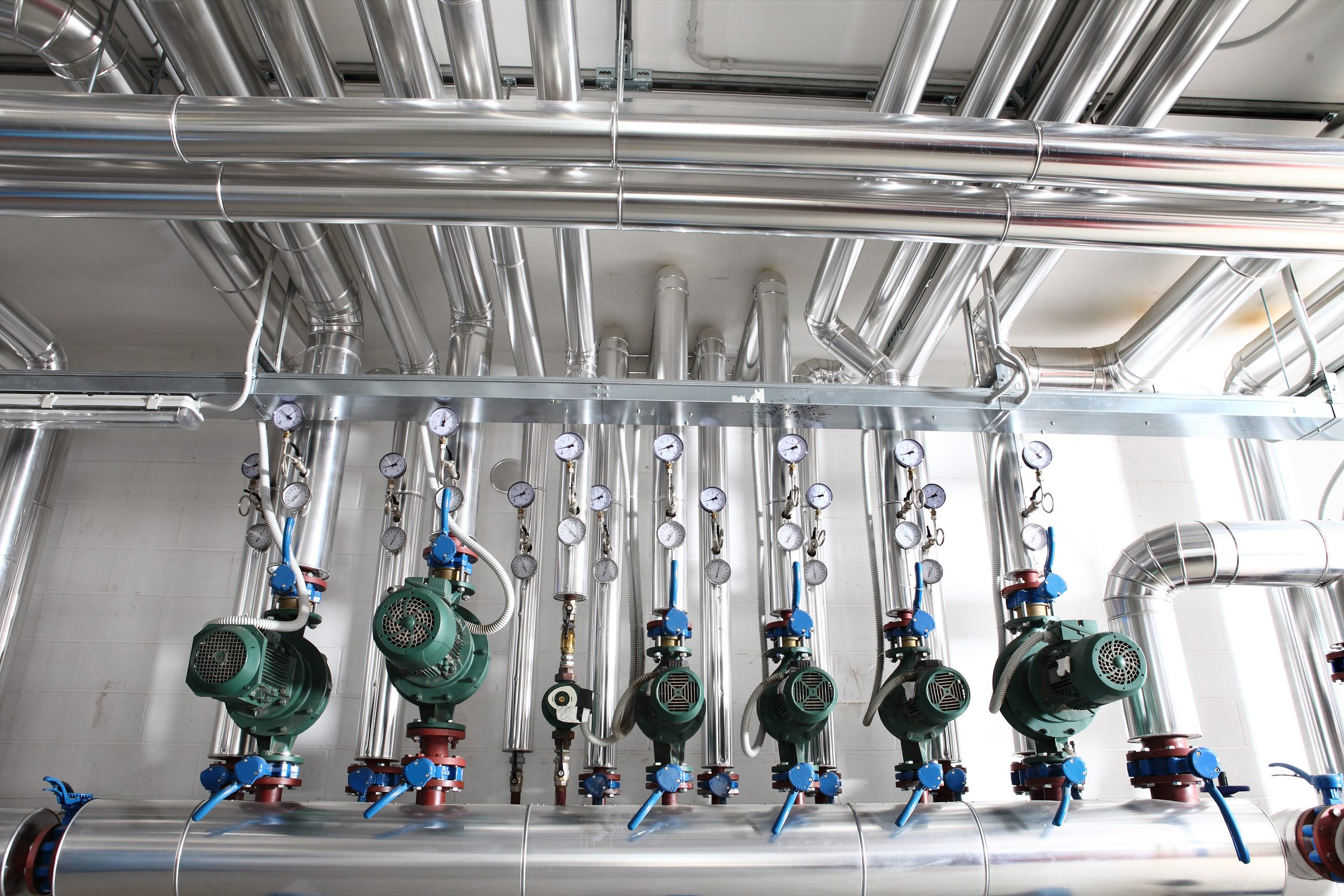
The plant is running.The question is how well.
Minimum runtimes, temperature spread, storage limits, spot prices, CHP windows: each of these variables is manageable on its own. Keeping all of them in view at the same time is a challenge. It is the mode of operation that makes the difference between an installation that works and one that runs economically. Operation that costs more is not a technical fault – so nothing reports it.
Are you getting everything out of yours today?
Problems and challenges
Bus systems & connectivity
Modbus, BACnet, M-Bus, cloud. New devices bring ever more interfaces for connectivity, and none of them understands the other out of the box.
Every change turns into a project
One more data point, an adjusted control scheme, another device: until that is in place, weeks go by and several parties are involved. Anyone who does not have monitoring and control in their own hands postpones small improvements — and eventually drops them.
Every installation a special case
Modbus here, BACnet there, a CHP unit without an interface, an installation barely digitalised. Every site an island project. Growth in the portfolio means growing complexity — not growing efficiency.
Trust is good, measurements are better
Data products by sektoreins: continuous optimisation for maximum energy efficiency.
Solutions that really move your plant operation forward
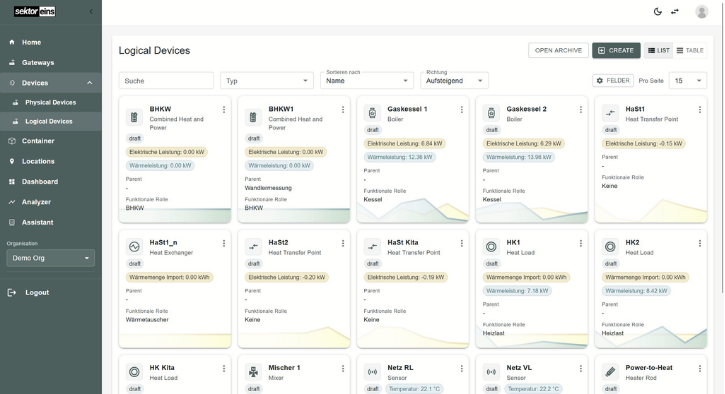
Digitalise and connect affordably
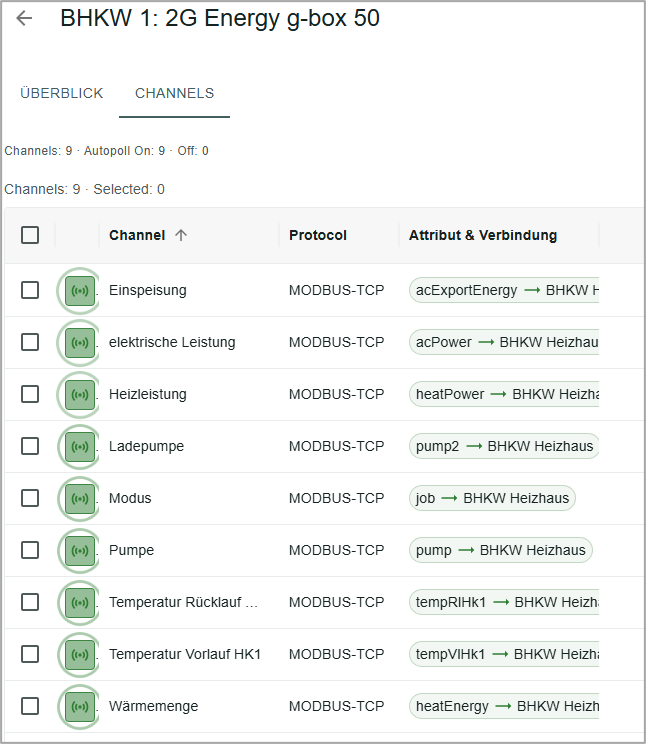
For small and mid-sized installations sektoreins pays off without major investment. Existing data points are captured and the system can be extended at will through your own sensors, device interfaces or cloud connections of existing manufacturers. Capture the blind spots too and create clarity.
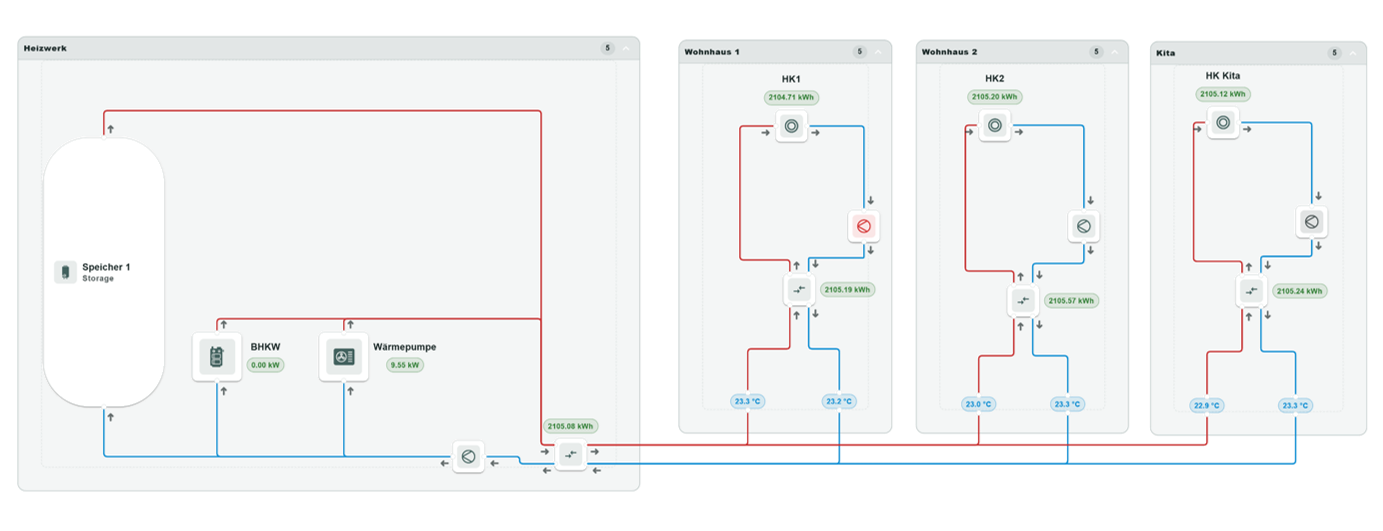
Monitoring that truly reflects the installation
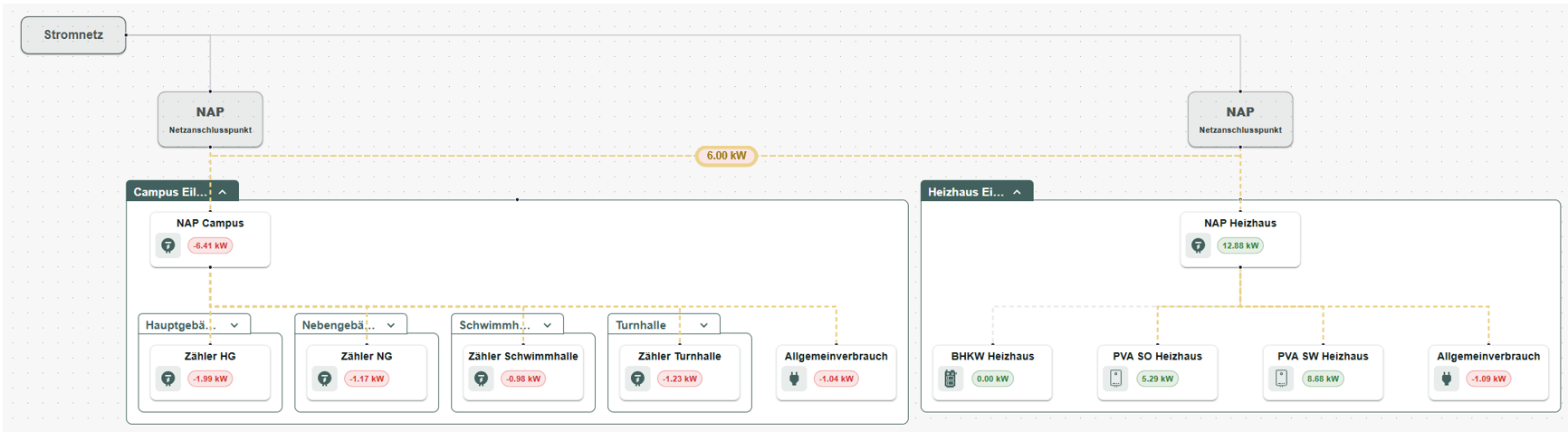
Heating plants, heat networks, substations and more: sektoreins maps the entire installation digitally and shows exactly what is happening in the field and where. Measuring points sit where the devices are actually installed. The result is not a jungle of data but a structured image of power, heat and everything in between.
Control and regulate without a computer science degree
With the captured data points, operating strategies can be implemented directly — via function blocks, software code or with support from the AI assistant. Changes are live within minutes. You know your installation best: keep an eye on its behaviour and readjust remotely without having to be on site.
Plant operation that thinks ahead
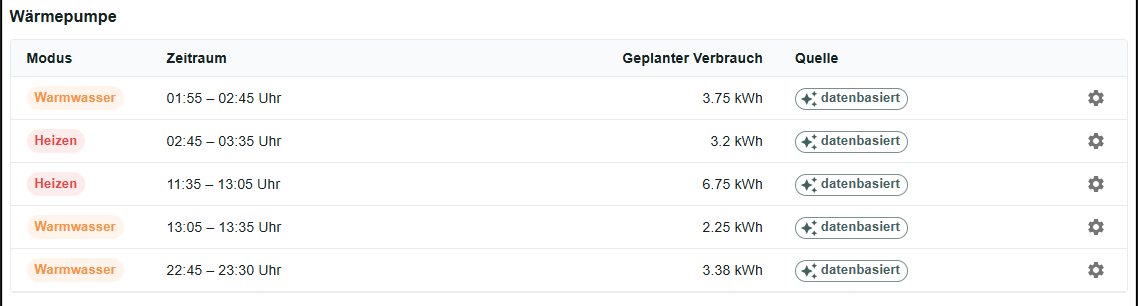
Every installation is different — and no situation stays the same. sektoreins maps your devices as digital twins: they learn how your installation reacts to outside temperature, load fluctuations and changing energy prices. On that basis forecasts for heat load, generation and demand emerge — hours in advance. From these sektoreins derives operating schedules automatically: when does the CHP unit run? When is the storage pre-charged? Even complex situations with several generators, dynamic tariffs and variable loads are handled in a structured way — without anyone having to intervene.
Energy sharing and cross-site management
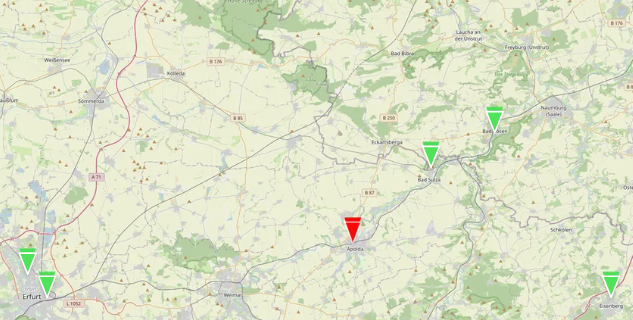
sektoreins controls across sites and records in quarter-hour resolution where surpluses arise and where electricity is drawn from the grid. Anyone running their own balancing group, or working with a service provider that does, can bring these volumes together in it and consume them elsewhere. sektoreins provides the data basis for this and controls generation and storage so that generation and consumption coincide in time.
Our results are measurable
electricity costs saved
by connecting PV system, heat pump, buffer storage and a dynamic electricity tariff
less gas consumption
through optimal use of PV surpluses, a heating element cascade and adjusted operation of the gas boiler
higher revenue
from CHP operation by shifting switch-on times and making full use of CHP funding
Voices from the field
REthink-ing
„Digitalising the energy sector needs reliable data as its foundation. For municipal utilities and commercial operations, economical and scalable solutions are decisive. sektoreins addresses exactly those installation classes that digitalisation has so far neglected.“
Tobias Raddau
Managing Director
translated from German
REthink-ing



Learn more about our solutions
Explore all features and use casesBuilding or planning your energy systems yourself?
View our solutions for installers & plannersWhat sektoreins can do in detail
Manage sites
Keep the overview without much effort.

Roles & access
Manage permissions.
connect
Every device & sensor.
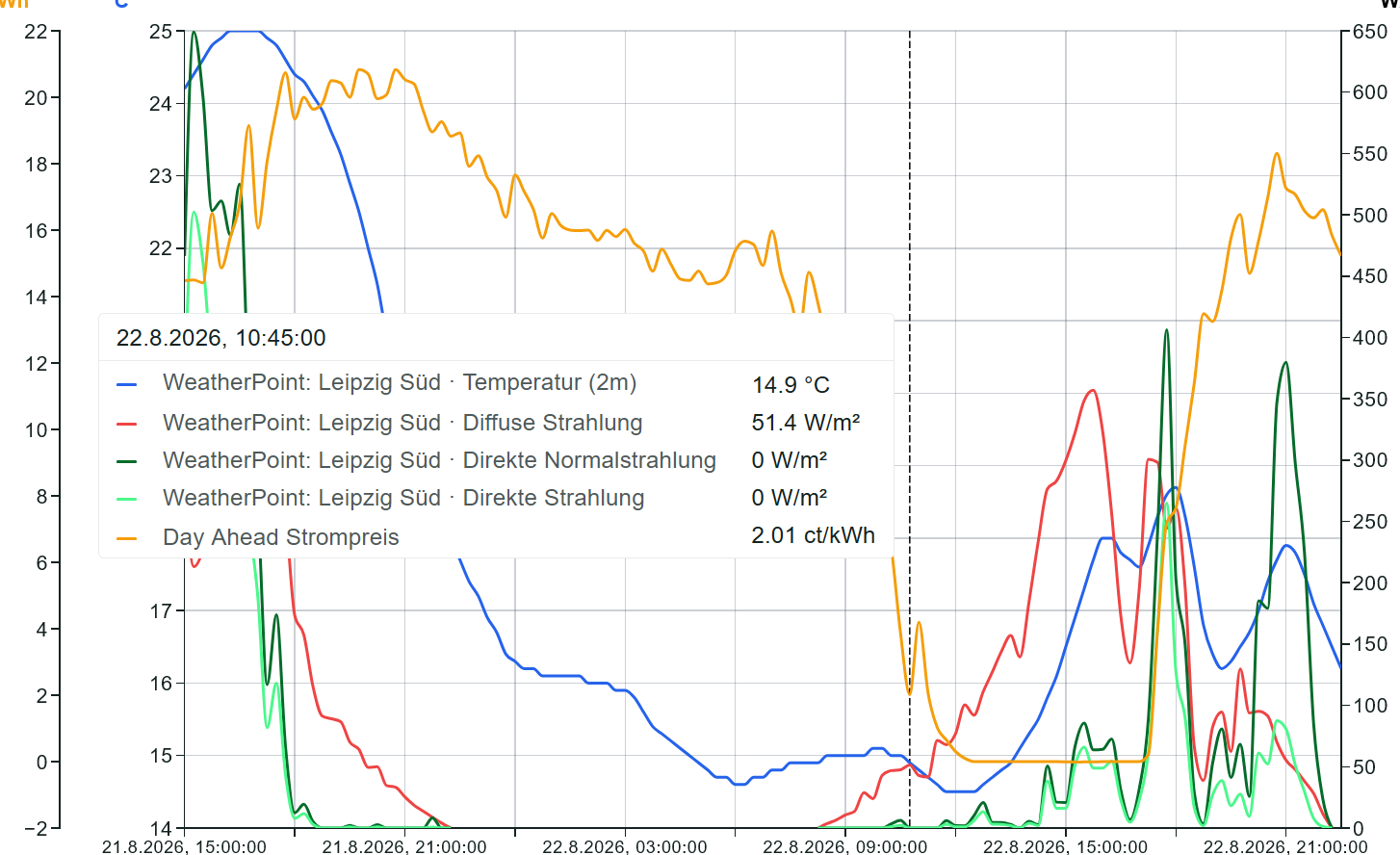
monitor
Real-time data, clearly presented.
detect & alert
Detect faults and report them.
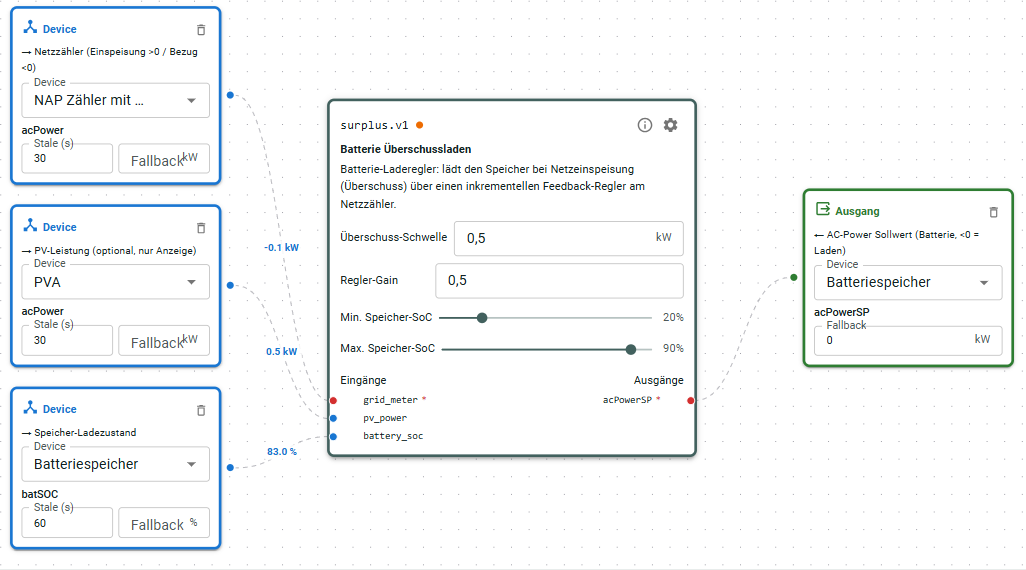
control & regulate
Implement operating strategies.
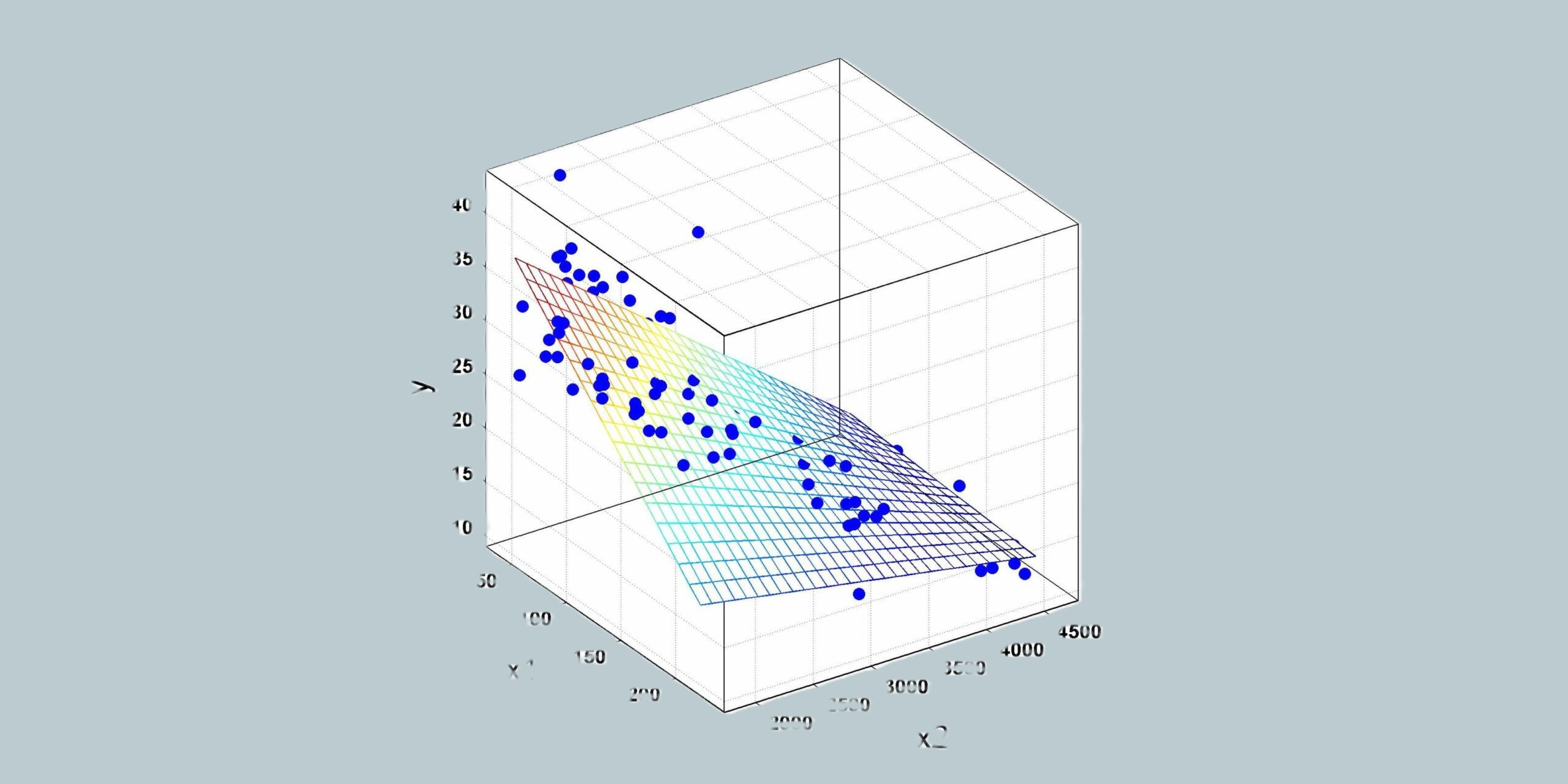
forecast
prepare for tomorrow.
automate
continuous optimisation.
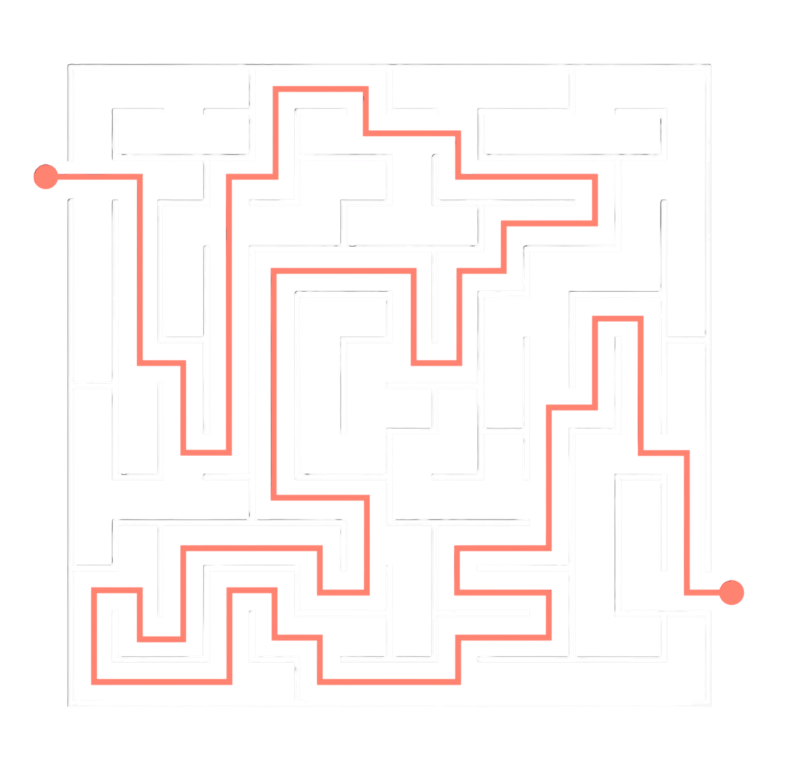
We find the fastest way
through the maze.
If-then rules cannot capture every operating condition: sektoreins forecasts the behaviour of your installation and derives the most economical operating mode for each situation automatically. Market prices, switching windows, outside temperatures, heat load, grid fees, CHP remuneration, bivalent operation, direct marketing, self-consumption optimisation, COP behaviour
Tell us about your challengePutting sektoreins to work
there are two ways to put sektoreins to work for your installations, depending on whether a central control system already exists or not.
Articles on this topic
Background, practical examples and regulatory context — for operators and decision makers.
Articles and the glossary are not translated and are available in German only.
Was NIS2 und KRITIS von Energieversorgern verlangen
Bei NIS2 zählt das Unternehmen, bei KRITIS die Anlage. Welche Schwellen gelten, wann eine Leitstelle selbst zur kritischen Anlage wird und was die Lieferkettenpflicht im Anlagenbestand bedeutet. Ein Überblick.
9. September 2026
Wie Prognosen für Verbrauch und Erzeugung erstellt und genutzt werden
Prognosen sind immer schwierig, besonders wenn sie die Zukunft betreffen. Dieser Beitrag zeigt, wie sektoreins diese Herausforderung angeht und welche Rolle Vorhersagen bei der vorausschauenden Einsatzplanung spielen.
21. August 2026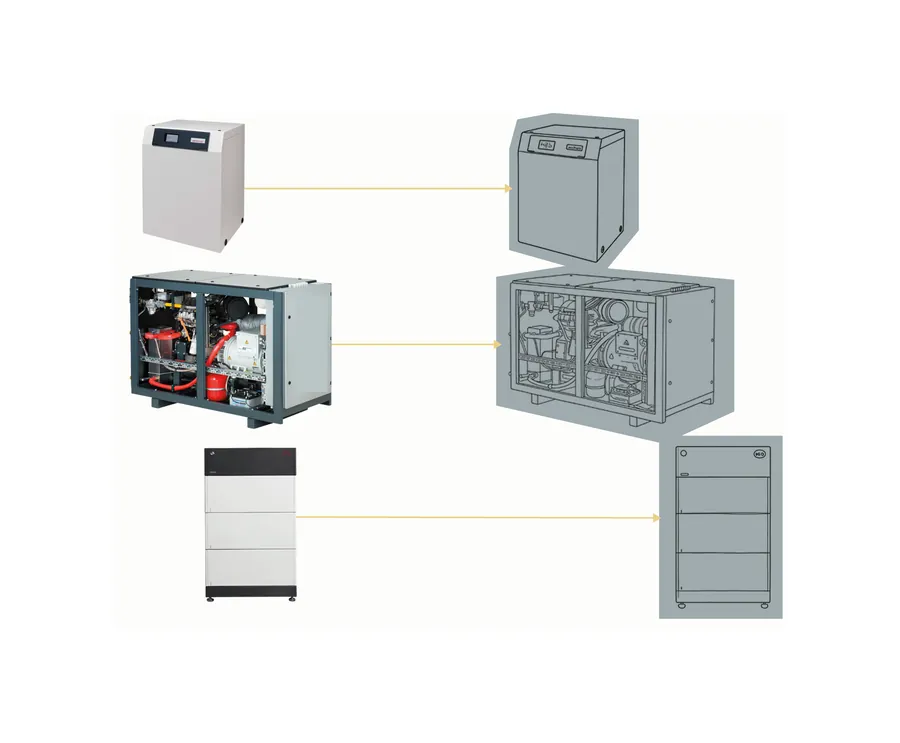
Wie ein digitaler Zwilling das Verhalten einer Anlage abbildet
Prognosen sagen, was von außen auf eine Anlage zukommt. Ein digitaler Zwilling liest diese Prognosen und sagt vorher, wie sich die Anlage im thermischen und elektrischen Bereich darauf verhält. Dieser Beitrag zeigt, wofür sektoreins ihn einsetzt und wie er entsteht.
17. August 2026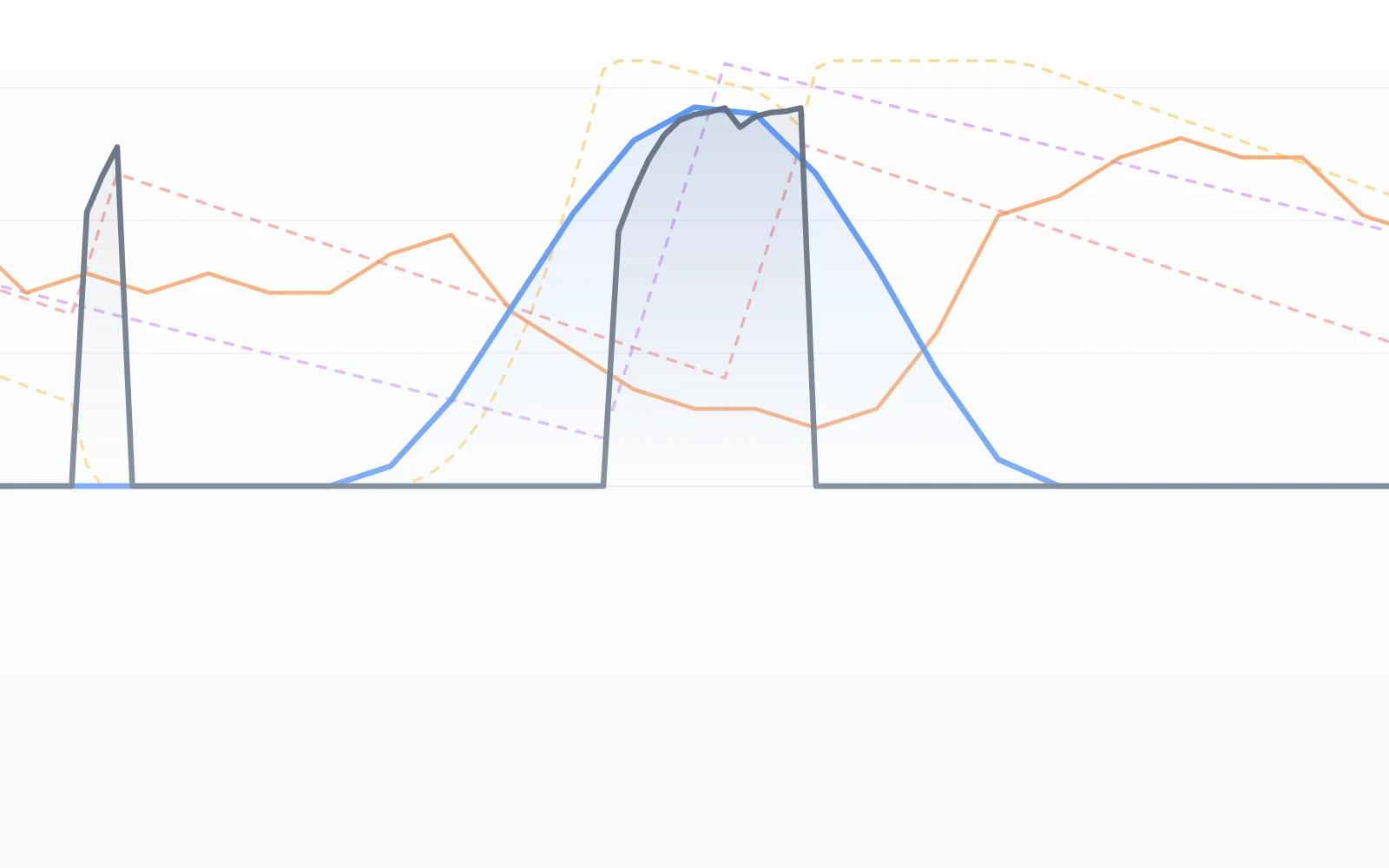
Wie der Fahrplan einer Anlage entsteht
Eine Anlage vorausschauend zu betreiben, ist technisch komplex und erfordert eine sorgfältige Vorbereitung. Dieser Beitrag erklärt, wie sektoreins einen Fahrplan automatisch erstellt, ausführt und aktualisiert.
14. September 2026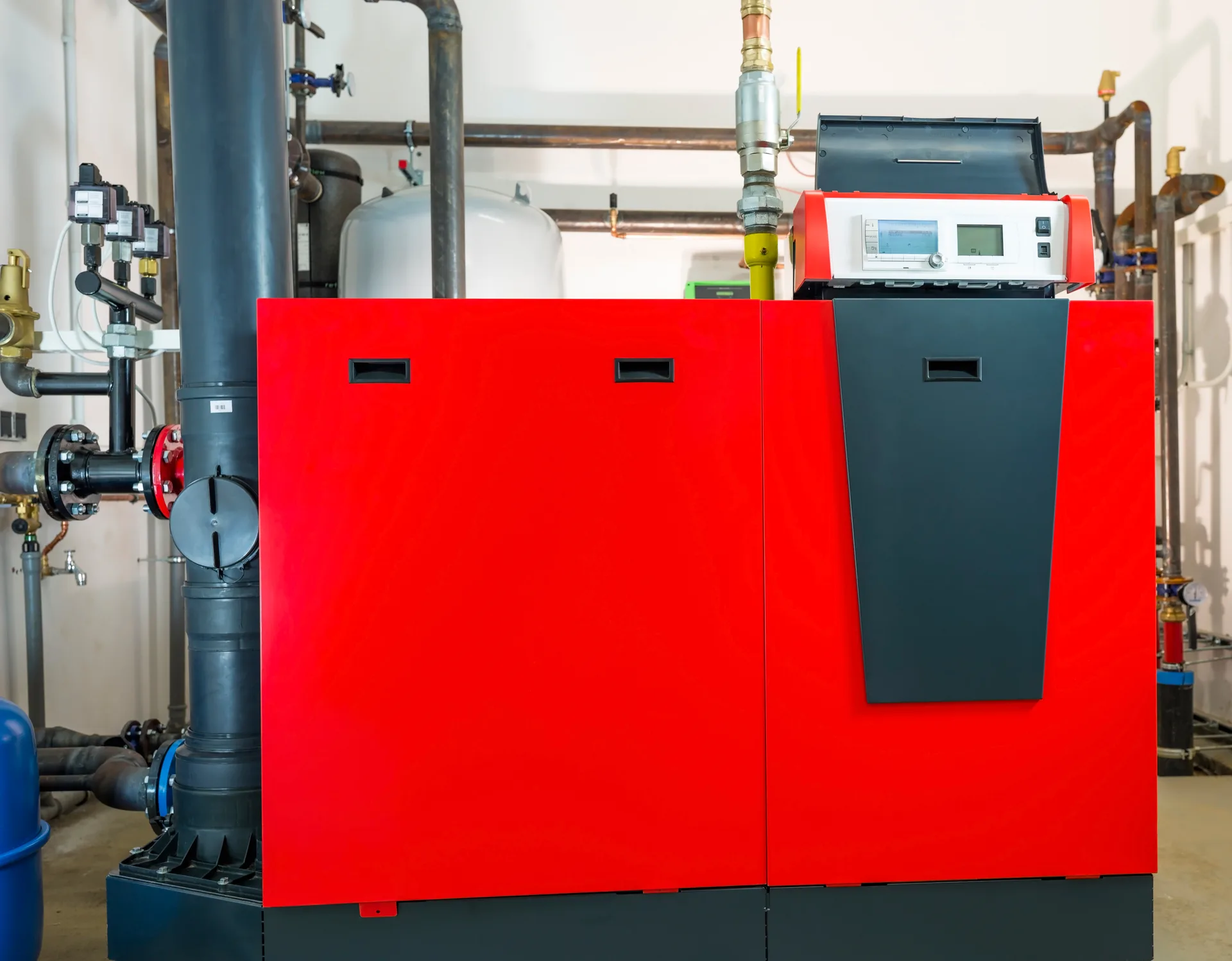
Wie Blockheizkraftwerke betrieben und vergütet werden
Wärmegeführt, stromgeführt oder kombiniert: Wie ein BHKW eingesetzt und gefahren wird, entscheidet über seine Wirtschaftlichkeit. Ein Überblick über Einsatzfelder, Betriebsweisen, KWK-Zuschlag und Vermarktung für Betreiber und Stadtwerke.
18. September 2026Dynamische Stromtarife und variable Netzentgelte: Was Betreiber heute nutzen können
Dynamische Stromtarife sind seit 2025 Pflicht, variable Netzentgelte lassen sich über §14a EnWG schon heute nutzen. Woher die Preise kommen, wie sich der Strompreis zusammensetzt, und warum erst die Kombination beider Mechanismen die Volatilität beim Strombezug deutlich erhöht.
5. Oktober 2026Cyber Resilience Act: was er für vernetzte Energieanlagen bedeutet
Der Cyber Resilience Act verpflichtet nicht den Betreiber, sondern den Hersteller. Welche Fristen gelten, was mit Bestandsanlagen passiert und was daraus für die nächste Beschaffung folgt.
9. September 2026Frequently asked questions
Yes. The platform is designed for the requirements of the NIS2 directive and the Cyber Resilience Act: all communication runs over TLS 1.3, plant networks are separated from IT (OT/IT segmentation), access is secured with two-factor authentication and updates are cryptographically signed. The gateway needs no open inbound port and hosting is exclusively in German data centres. Every access and every configuration change is logged in an audit-proof way.
sektoreins maps the electrical metering concept fully digitally — including summation meters, submeters and billing boundaries as specified by the grid operator. Hydraulic circuits can be mapped in parallel. The system therefore knows automatically who is generating, consuming or feeding in what at any moment.
Yes. Readings, consumption and billing data can be exported to external systems through a REST API. Interfaces to common billing platforms in the energy sector are available or can be built on request.
The sektoreins gateway runs locally and continues to execute all critical control tasks without a cloud connection. Readings are buffered and synchronised once the connection is restored. Operation is not interrupted.
The automation never runs without guard rails. Above the optimisation there is always a control layer with firmly defined constraints: minimum and maximum temperatures, minimum runtimes, maximum cycles per hour or storage limits. The optimiser may only plan within that frame — a schedule that would violate a constraint is not executed at all. In case of doubt, reliable supply always takes precedence over profitability.
Forecasts are recalculated several times a day, not once for 24 hours. Besides updated weather data, the readings of the recent past feed in as well: if actual heat demand or PV yield deviates from the expected curve, the model corrects itself. The operating schedule is rolled forward on that basis, so forecast quality stays as high as possible even with short-term changes.
Yes, provided a PLC is connected to the gateway. The control logic is configured in the web app and transferred to the PLC by the gateway. It then runs directly at the PLC cycle times, continuously supplied with the current input values. The web app remains the configuration and monitoring layer; the real-time critical execution sits entirely on the PLC.
Portfolio operation rethought — talk to us.
Tell us about your project or your questions.
E-mail address copied to clipboard